

At Obairawo Engineering, we have seen the same story play out again and again: the bill lands, eyes widen, somebody says, “But we barely used anything!” and then everyone starts side-eyeing the fridge like it is running a side hustle.
We are on a mission to help homeowners and businesses master their energy use (and keep more money in their pockets). Below are the seven most common electricity-bill mistakes we see in the real world—plus the practical fixes that work. No drama, no guesswork, just friendly advice from pros who have been around the meter box a few times.
1. Inefficient Thermal Regulation
This is the classic “set the AC to Antarctica so it cools faster” mistake. We understand the logic—unfortunately, your AC does not. It cools at the same pace; it just works harder and longer when you crank it to the extreme. That is how you end up paying premium money for premium discomfort.
Most people can barely tell the difference between 71°F and 75°F once the room is stable, but your electricity bill definitely can. The fix is simple: pick a reasonable temperature and keep it steady. If you want the “set it and forget it” lifestyle, a smart thermostat helps automate the adjustments so you only spend power when it actually makes sense.
2. Neglecting the "Phantom Load"
Phantom load is the electricity your devices sip when they look “off” but are actually just sleeping with one eye open. TVs, decoders, game consoles, monitors, chargers—anything with a standby light is basically whispering, “Small small current, please.”
Two easy fixes:
- Use a power strip so you can switch off a whole cluster at once.
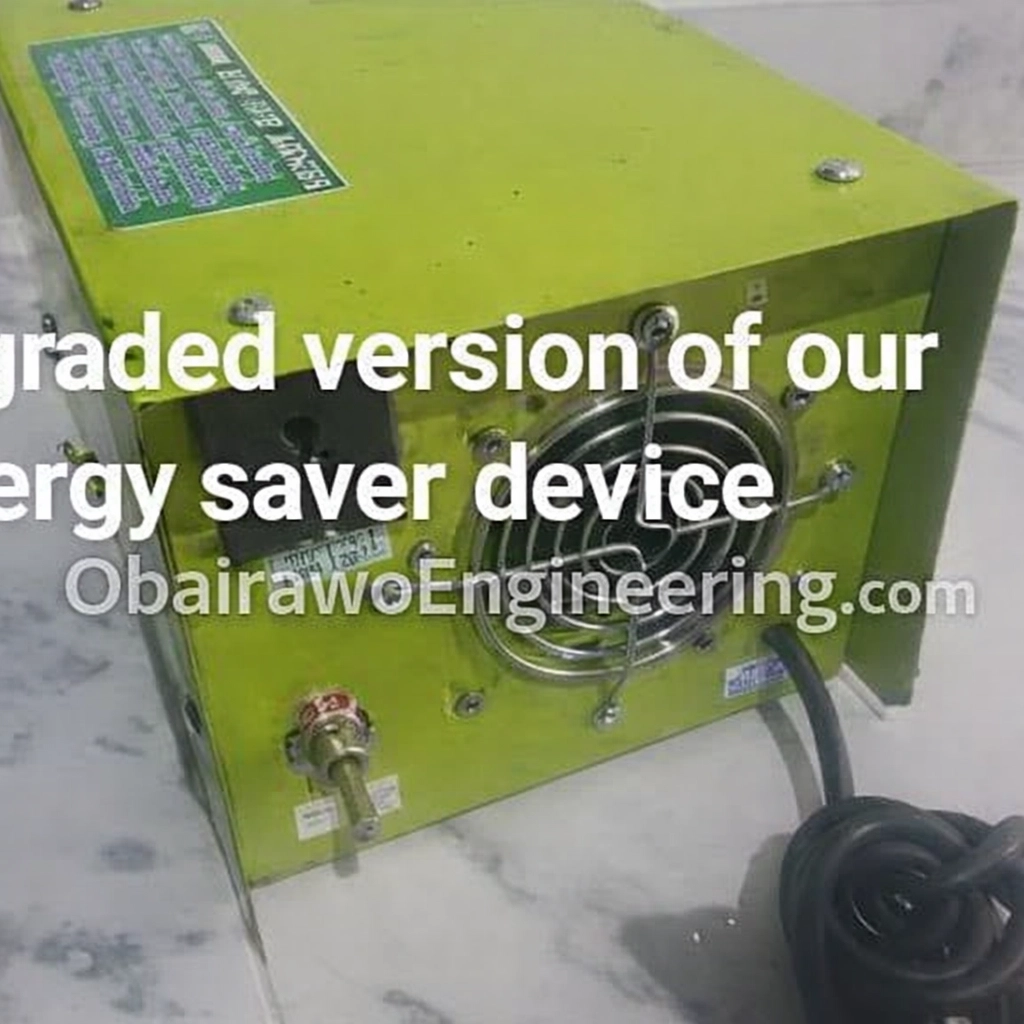
- Reduce wasted current with our Obairawo Energy Saver Device, engineered to optimize consumption by stabilizing voltage and cutting the kind of waste that quietly stacks up over the month.
With the right habits (and the right tools), you are not fighting your appliances—you are simply taking back control of how power moves around your home or business.
3. Excessive Use of High-Temperature Water for Laundry
Hot water is nice. Hot water for every single wash cycle is how your water heater becomes the most expensive “staff” in your house.
Modern detergents work fine in cold or lukewarm water for most loads, so you can save serious energy by switching to cold cycles most of the time. Bonus tip we always repeat: run laundry (and other big appliances) only when you have a full load. Half-load washing is basically paying full price for half the benefit.
4. Operating Heavy Machinery During Peak Demand
If your area uses peak/off-peak pricing, then doing heavy work at peak time is like buying fuel during the “queue is longest” hours—same product, higher pain.
Appliances like dryers, pumping machines, dishwashers, and other heavy loads cost more when everybody is using power at the same time (usually evenings). The fix: shift those tasks to early morning or late night when rates are calmer.
And if you are tired of dancing to the grid’s schedule, our fuelless generators are built for people who want a more stable, eco-friendly, fuel-independent alternative.
5. Overlooking Metering Inaccuracies
Meters are supposed to be boring and accurate. But in the real world, meters can misbehave—faulty installation, damaged wiring, aging components, or plain technical issues. If your bill suddenly jumps like it saw a horror movie, do not just accept it as fate.
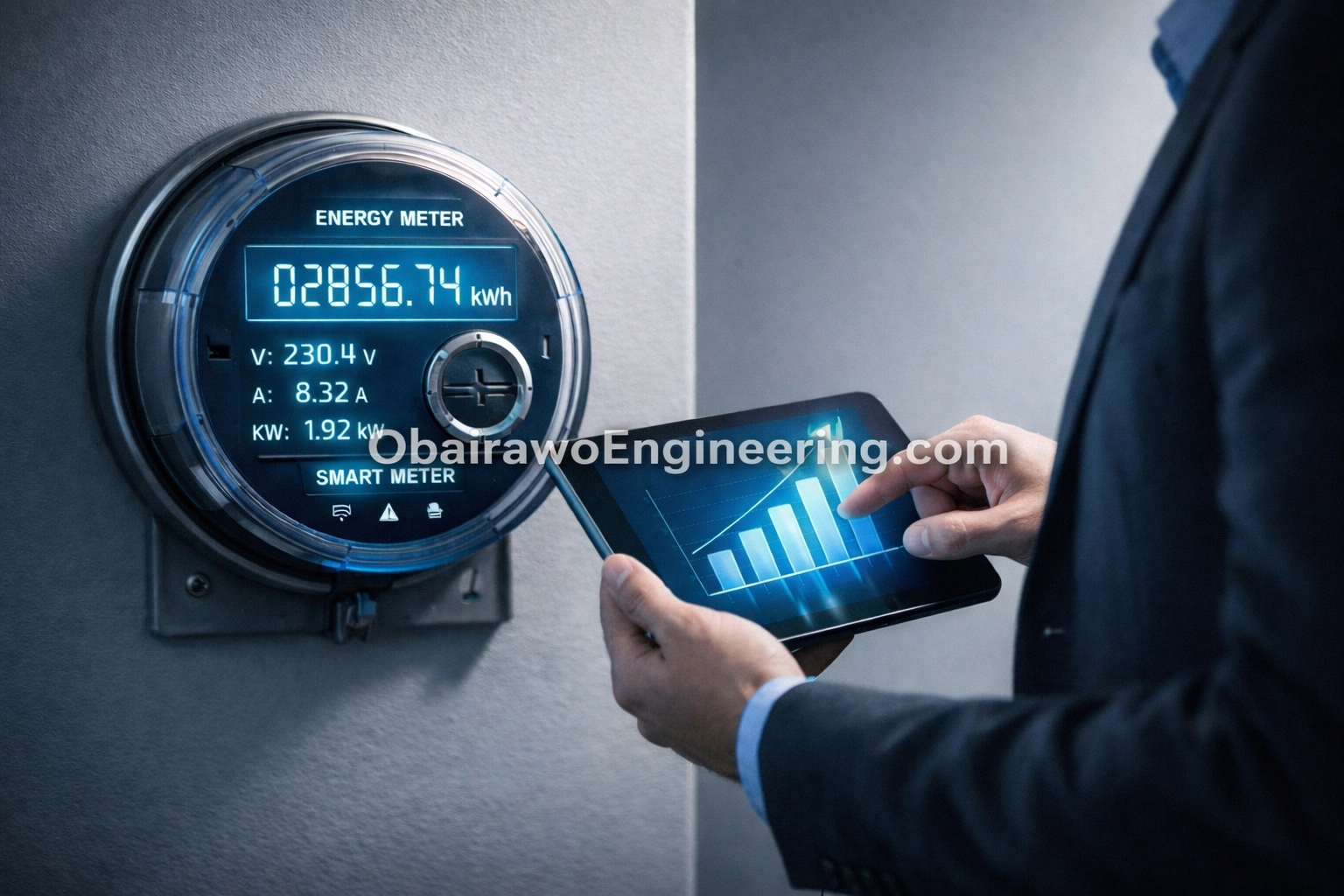
We advise a simple routine: take your meter reading and compare it with your bill. If the numbers do not make sense, request an inspection. A few minutes of “let us verify this thing” can save you months of silent overbilling.
6. Failure to Audit Administrative Billing Errors
Sometimes the meter is fine—the paperwork is the problem. Duplicate charges, wrong tariff, strange “adjustments,” overlapping billing periods… these things happen more often than people think.
Our rule is simple: read your bill like you are checking change from a cashier. Look for repeated fees, weird add-ons, and make sure the tariff/plan code matches what you signed up for. It is not being difficult—it is being financially responsible. If you want to know more about how we approach transparency and standards, our About Us page is a good place to start.
7. Neglecting Available Rebates and Energy Subsidies
There is a special kind of pain that comes from discovering you could have saved money… but nobody told you and you did not ask. Rebates and subsidies for energy-efficient upgrades exist in many places, but they are rarely automatic. If you do not apply or follow up, the discount will not chase you.
We recommend checking what is available in your region and keeping a simple folder of requirements. We also provide sustainable energy solutions that may qualify for incentives—meaning you save on energy and potentially save on the upgrade itself.
The Path to Energy Sovereignty: Obairawo Fuelless Technology
The tips above will reduce waste fast. But if you want the “let us stop being surprised by bills” upgrade, the most decisive move is self-sufficiency. Depending fully on an expensive, unpredictable grid is a risk many homes and businesses no longer need to carry.
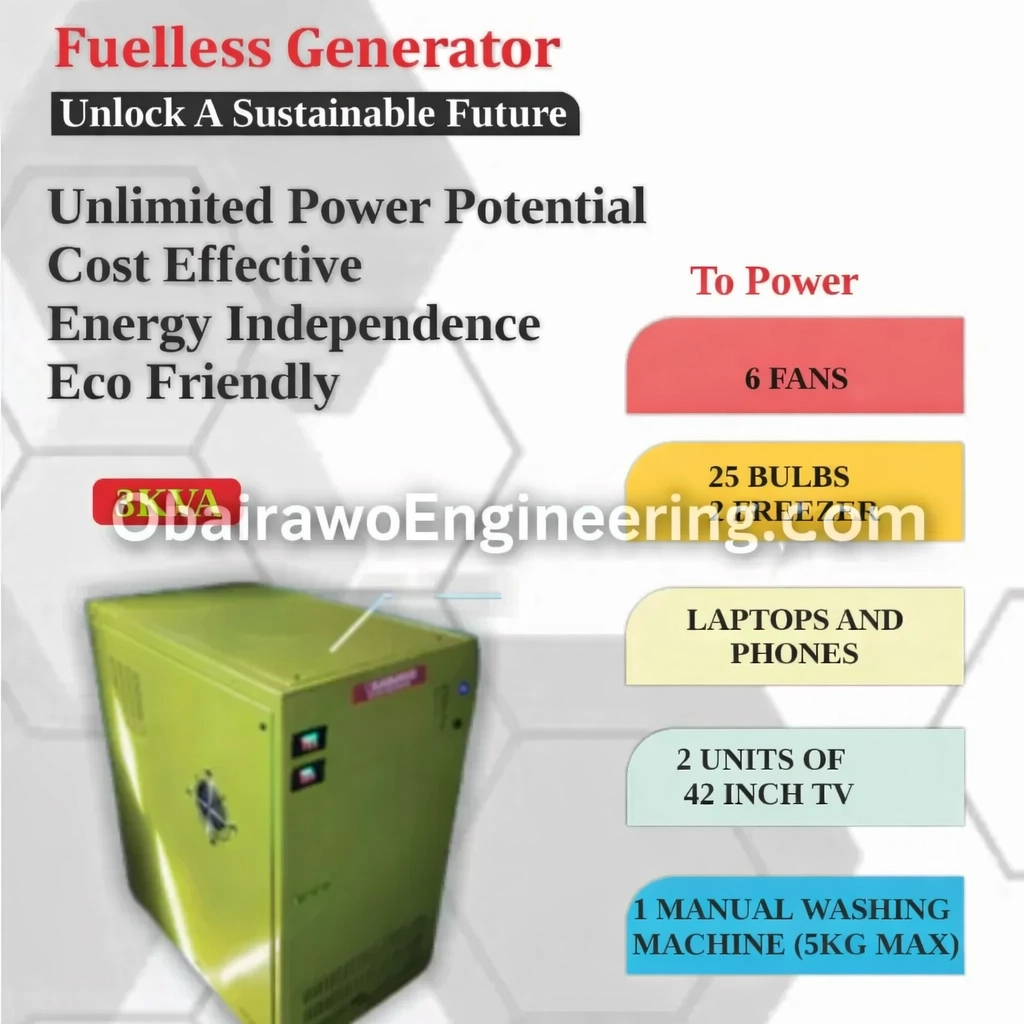
We have spent years developing our groundbreaking 5KVA Fuelless Generator—a silent, emission-free, fuel-independent power source designed to deliver reliable backup power without the ongoing fuel headache.
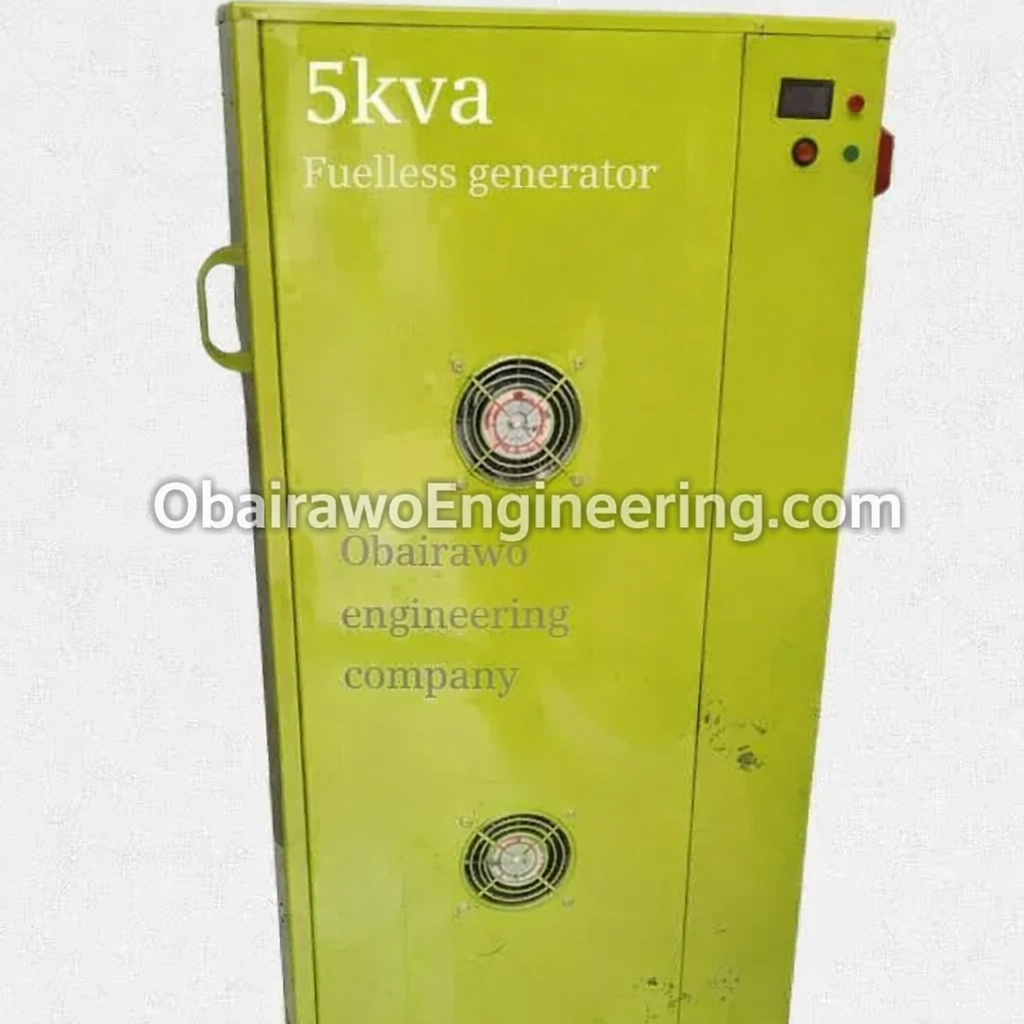
This is not a “maybe” solution. It is built for real-life demand—homes, shops, offices, and facilities that want stable power without the drama. When combined with our solar-ready systems, it becomes an even stronger step toward energy independence.

Conclusion
Lower bills are not magic. They are usually the result of doing a few unglamorous things consistently: set reasonable cooling, kill phantom load, wash smarter, move heavy usage off-peak, verify your meter, read your bill properly, and claim the rebates you deserve.
If you want help choosing a more permanent path—especially if you are ready for eco-friendly, fuel-independent backup power—we invite you to explore our products in our online shop or reach out via our Contact Page. For more practical guides like this, visit our Blog Archive.